
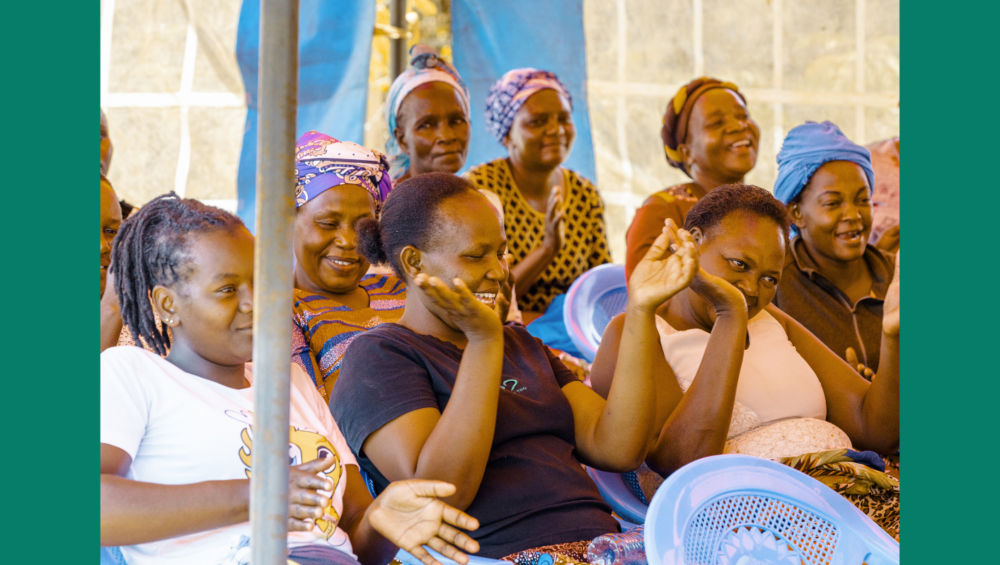
In Wamunyu, Machakos, the rains are increasingly failing, with major consequences for smallholder farmers. A poor season means inadequate food for the household, inadequate school fees to educate children, and no saved income for many farmers.
This is the reality that Itanya Africa Group has been working in since we began our Resilience through Regeneration project. However, before designing the next phase of our work, we needed to stop and ask: do we actually know what these women need?
In early 2026, we decided to find out, and conducted a structured baseline study with 27 female smallholder farmers in Wamunyu. We surveyed them on everything including how they farm, what they grow, how they access water, what they eat, how they make financial decisions, how confident they felt in trying new farming practices, as well as their hopes and fears.
The result is a Baseline Study Report that will serve as our reference point throughout the project.
Some of our findings
93% of the farmers we spoke to rely entirely on rainfall to water their crops. In a region where the rains are increasingly erratic, this is a food security crisis waiting to happen each season. And it has been happening, as 82% of last season’s harvests failed primarily because there was not enough water.
On nutrition, the picture is similarly precarious, with only 26% of households growing their own vegetables, 89% buying them from the market, and 63% quoting high costs as the main reason they cannot access leafy vegetables.
The study also surfaced something crucial: these farmers are not waiting to be saved. 93% said they were confident or very confident in their ability to adopt new farming practices. The knowledge gap is therefore real, but so is the drive to close it.
Why this study matters
For us, this report has already changed things. It has confirmed that water infrastructure is the single most urgent lever, and told us that our curriculum needs to build from what farmers already know.
The report has also surfaced a key finding about gender and income control. 38% of households have limited or no female control over farm earnings. Giving a woman a vertical garden is one thing, while making sure she benefits from what it produces is another. Our programme has to address both.
Moving forward, every intervention we design will be measured against what this report tells us about where these farmers started. The full report is available to download below.